← Back to recipes
São Miguel Povoação Breads
Furnas Sweet Griddle Bread (Bolo Lêvedo)
Recipe for bolo lêvedo, the soft, lightly sweet flatbread from Furnas on São Miguel, leavened twice and cooked slowly on a griddle. Best eaten warm.
- 20 pieces
- 30 min
- 40 min
- 3h
- Medium
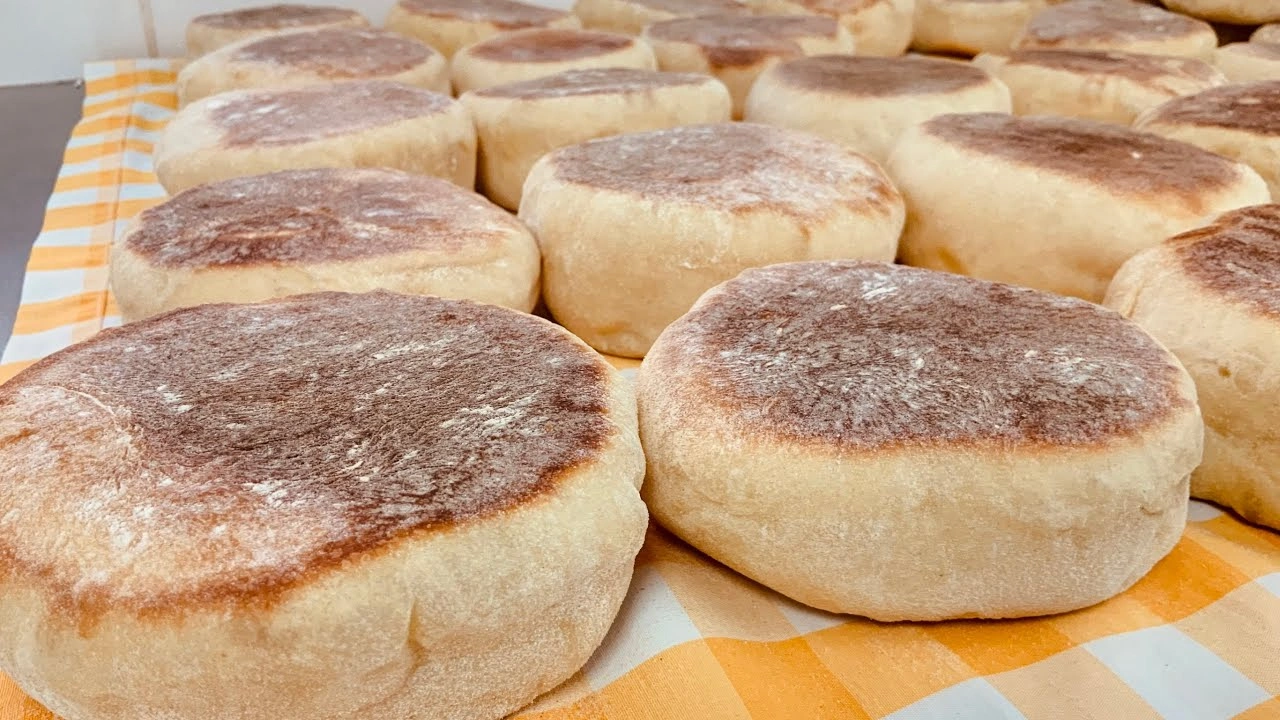
Bolo lêvedo is a small, round, low bread with a hint of sweetness, a soft crumb full of tiny holes and a toasted surface. Instead of going into the oven, it cooks slowly on a griddle or pan dusted with flour. It comes from the Furnas Valley, in the municipality of Povoação, but is now made all over São Miguel.
In Furnas it is a breakfast staple, eaten warm, plain or filled. Some restaurants also use it as a burger bun.
Method
Dissolve the yeast in a little of the lukewarm milk.
Sift the flour into a large bowl and make a well in the centre. Add the sugar, eggs, melted butter, the dissolved yeast and the rest of the milk.
Mix with a wooden spoon until a dough forms, add the salt and knead by hand until the dough is smooth and no longer sticks to your hands or the worktop.
Shape into a ball, dust with flour, cover with a cloth and leave to rise somewhere warm for 1 to 2 hours, until doubled in size.
Divide the dough into portions of about 55 g and shape into balls. Space them well apart on a floured cloth, dust them, cover with another cloth and leave to rise for another 1 to 2 hours, until doubled.
Heat a griddle or heavy frying pan, without any fat, over low heat and dust it lightly with flour.
Flatten each ball slightly with your palm and cook the breads in batches over very low heat. Turn them as often as needed until golden on both sides and cooked through.
Keep the cooked breads covered with a cloth while you cook the rest. Serve warm or at room temperature.
Tips
- Without a traditional griddle pan, use a heavy non-stick frying pan, always on very low heat: the bread must cook through before the crust darkens.
- You can swap the 15 g of fresh yeast for about 5 g of dried baker's yeast, mixed straight into the flour.
- Keep the breads in a well-sealed bag; the next day, split them and warm them in a pan or toaster.
More recipes
All recipesFried Blue Jack Mackerel with Vilão Sauce
Recipe for fried chicharros with molho vilão from São Miguel: small mackerel in cornmeal with a hot sauce of garlic, wine, vinegar and red pepper paste.Furnas Volcanic Stew
Recipe for cozido das Furnas, the São Miguel stew of meats, sausages and vegetables slow-cooked underground by volcanic heat beside Furnas Lake, Azores.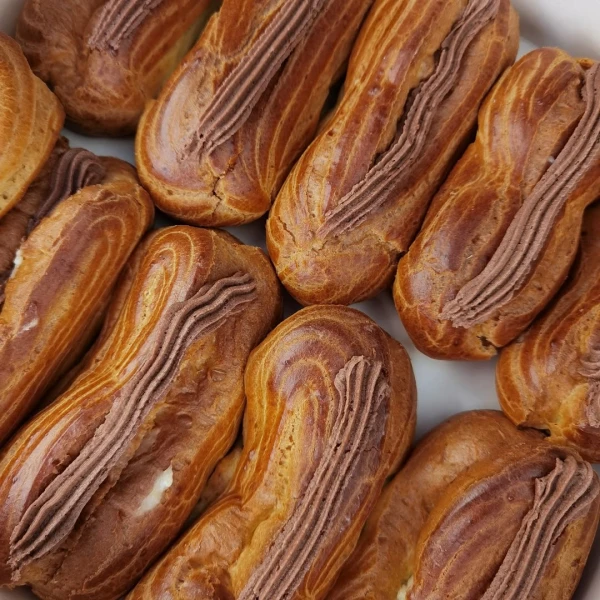 Sweets
Povoação Fennel Cream Puffs (Fofas)
Recipe for fofas da Povoação, São Miguel's fennel-scented choux pastries filled with vanilla or lemon cream and topped with a stripe of chocolate.What’s wrong?
Tell us what is wrong: ingredients, quantities, steps or where the recipe comes from. Our editors check before fixing it.