Pico · October 26
Lajes do Pico proposes visitor contribution to municipal services
Lajes do Pico proposes a charge of up to six euros per guest to help fund municipal services. The public consultation lasts 20 working days.
Dominated by Mount Pico, the island reveals UNESCO-listed vineyards set in black lava and Gruta das Torres, the largest known lava tube in Portugal.
Pico is felt first through its mountain. Mount Pico dominates the island, changing mood with the clouds and drawing both hikers aiming for the summit and travellers who prefer to watch it from the sea, the vineyards or the high lakes. The climb needs settled weather, booking and a serious pair of legs, but even without reaching the top the volcano gives scale to almost every journey.
Around Madalena and Santa Luzia, the vineyard landscape reveals the island’s most distinctive character: black lava shaped into currais, small basalt walls that shelter vines from wind and salt. This UNESCO-listed landscape is not a conventional rural postcard. It is a patient work of stone, vines, cellars, tidal wells and paths that still shows the effort and intelligence behind Pico’s wine culture.
The geology continues below ground at Gruta das Torres, the largest known lava tube in Portugal. The Visitor Centre explains lava flows, volcanic forms and the island’s formation, though visitors should check ahead because the official ticketing page currently states that descents are suspended for safety reasons. Inland, Lagoa do Capitão offers a quieter mood: calm water, Azorean juniper and, when the sky allows it, the mountain reflected in the lagoon.
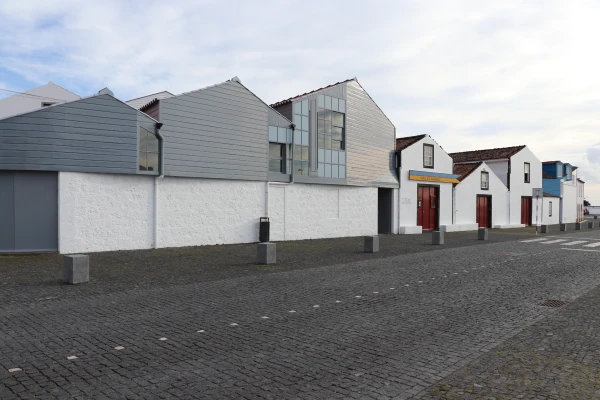
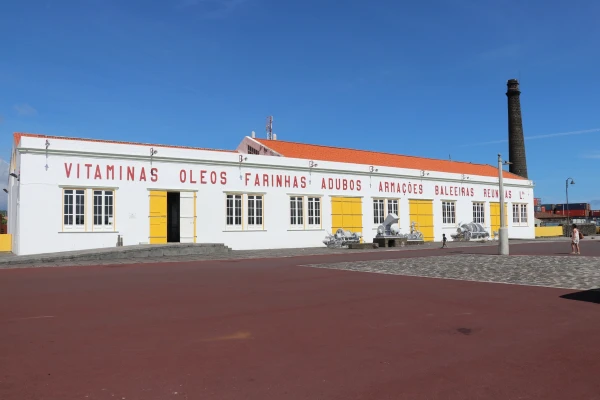
Pico’s coast is more basalt than sand. Natural pools, tidal basins, ramps and black-rock harbours turn swimming into part of maritime life. Madalena carries the rhythm of arrivals, wine and views across the channel; São Roque keeps traces of the old whaling industry and a calmer north-coast feel; Lajes faces the sea with low streets, boats and a strong link to the island’s whaling past.
That past has changed meaning. Where whales were once hunted, boats now leave to observe cetaceans with guides and approach rules. A good day on Pico can start among vineyard walls, pause for a swim in lava rock, continue through the Whalers’ Museum or the harbour at Lajes, and end with a glass of mineral white wine as the mountain slowly disappears into mist.
Pico · October 26
Lajes do Pico proposes a charge of up to six euros per guest to help fund municipal services. The public consultation lasts 20 working days.
Pico · September 30
Interisland ferry arrivals in the Azores fell about 5.5% in August 2026. Pico recorded the most traffic, while Terceira saw the sharpest decline.
Pico · August 12
A technical complaint on unstable road slopes in Pico has been raised with European bodies.
A coastal trail from Porto do Calhau to Manhenha along fishermen's paths, vineyards and the lava shore of Ponta da Ilha.
A long crossing of Pico's eastern plateau among volcanic cones, lagoons, peatlands and high-altitude pasture.
A descent from Lagoa do Capitão's central plateau to São Roque do Pico through native vegetation, pasture and broad island views.
 Museums and Theaters
Closed now
 Museums and Theaters
Closed now
 Museums and Theaters
Closed now