Science takes on invasive algae threatening the Azorean coast
A new study brings science and management together to address Rugulopteryx okamurae in the Azores.
The Azores now have a multidisciplinary study focused on Rugulopteryx okamurae, an invasive macroalgae whose spread has been placing increasing pressure on the archipelago’s coastal ecosystems. The work, developed by the University of the Azores in partnership with the Regional Directorate for Maritime Policies, was presented in Horta on 23 July.
The species was first detected in the Region in 2019, and its rapid expansion has made it one of the islands’ most significant marine bioinvasion challenges. Large accumulations of biomass and the occupation of rocky seabeds can degrade coastal habitats and affect the condition of bathing areas.
The research is structured around three areas: understanding the algae’s biology, ecology and dispersal; assessing possible uses for the biomass; and identifying mitigation measures. Options under study include biotechnological applications, ruminant feed and agricultural composting, alongside the need to reduce environmental impacts.
The study also considers removal techniques, the management of major coastal strandings and the creation of response protocols. Its discussion brought together researchers, public administration, maritime authorities, municipalities and civil society, reflecting the need for coordination among those who monitor, manage and use the coast.
For the Azores, this is more than a conservation issue. Healthy coastal ecosystems support local fisheries, leisure and the islands’ tourism appeal, so turning scientific knowledge into practical measures will be key to limiting the effects of this invasion on communities and coastal areas.
More news
November 12
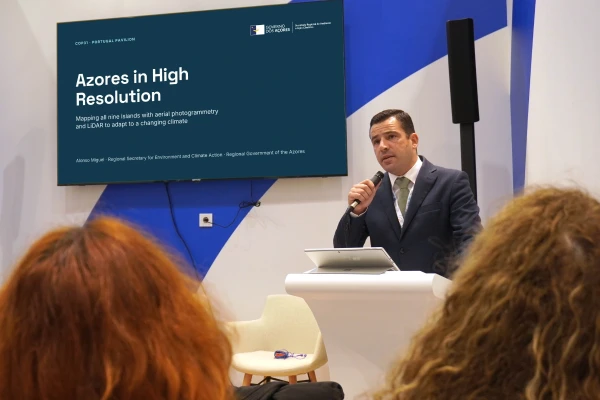
Azores present high-precision maps of all nine islands at COP31
The Azores presented aerial and LiDAR mapping of all nine islands at COP31 to support spatial planning, climat…
November 12
UNESCO Day brings 16 activities to all nine Azorean islands
The Azores UNESCO Network marks 16 November with activities running from 11 to 18 November, mainly for schools, with some open to the public.
Terceira · November 12
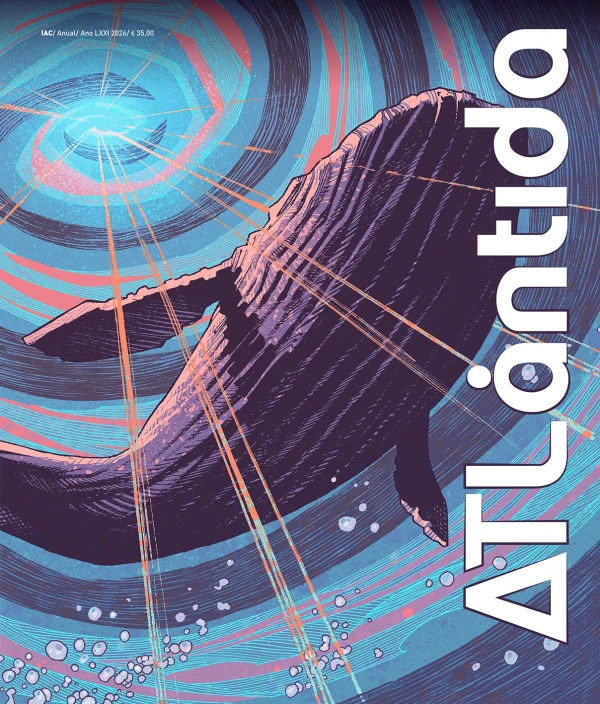
Atlântida 2026 explores Azorean autonomy at Outono Vivo launch
The Instituto Açoriano de Cultura launches Atlântida 2026 on 15 November 2026 at 3pm at the Academia de Juvent…